
Hands-on support for tribal nations, programs and organizations
Delivered by people who already know the work, the rules and the community.
Red Creek Solutions’ Training and Technical Assistance Center (TTAC) partners directly with tribes, tribal programs, and tribal entities to strengthen the systems that sustain their mission and sovereignty. We help build durable capacity by training staff, establishing and improving processes, supporting compliance with federal and tribal requirements, and staying engaged long enough to ensure that new skills and systems remain with the nation—not just with the contractor.
Our team is certified, field-tested, and trusted in many of the communities we serve. That trust matters. Training and technical assistance falls short when it arrives as a binder and a stranger. It succeeds when the people offering support already understand tribal sovereignty, the trust and treaty responsibilities, the nuances of compacting and contracting, and the day-to-day demands facing tribal program offices.
If your nation or program is seeking hands-on, respectful, and sovereignty-centered training or technical assistance, the Red Creek Solutions TTAC is ready to support you.
To request RCS TTAC to come to your community, send us the details:
Request TA servicesRed Creek’s dedicated home for training and technical assistance
It is how we apply the same high standard we use across the firm: find the most effective solution, deliver results that exceed expectations, make the experience seamless, and put it in the hands of program directors, grant staff, health teams, planners and leadership.
We work inside existing tribal programs and beside new ones. Some engagements are short and focused: a site visit, a monitoring cycle, a board work session, a virtual cohort. Others are multi-year: grant implementation, program stand-up, evaluation, and staff development until the tribe’s own team can run the work.
TTAC is not a call center and not a one-size curriculum. It is professionals who have delivered this work in Indian Country and in federal program offices, and who know what it takes for those two worlds to meet without the tribe absorbing all the friction.
Six areas of assistance, and what sits inside each one
Open any area to see the named services we deliver. If what your program needs is not on the list, say so: a good share of our work starts that way.
Program and Grant Technical Assistance, and Community Infrastructure Planning
Hands-on help to design, stand up, manage and close federal and tribal-funded programs, and to plan the land and infrastructure work that follows.
Grantee support services
Sustained support for grant recipients from award through close-out: work planning, budget and drawdown, performance data, site-visit preparation, corrective action, and coordination with the federal project officer. We have carried this load for behavioral health and community awards including SAMHSA Native Connections and Circles of Care, and we know the reporting calendar those programs run on.
Program stand-up and work planning
For a team that has just inherited an award and has no runway, we turn the scope of work into a staffing plan, a calendar, a set of tools and a first-year work plan the program can actually execute.
Monitoring preparation and corrective action
Preparation before a site review, and a straight answer after one. We assemble the documentation, rehearse the questions, and where findings already exist we write and work the corrective action plan until it closes.
Land assessment and site analysis
Assessment and modeling of tribal land, with site and industry analysis to show what a parcel can realistically carry. The work is meant to give leadership a defensible basis for a decision rather than a study that sits on a shelf, and it pairs with the community engagement facilitation described under Governance, planning and community engagement.
Economic development planning
Planning support for Nations weighing an economic development move: what the market will bear, what the site requires, what capacity has to exist internally first, and the sequence that gets from intent to a funded project. Written so a council can act on it.
Training for staff, leadership and partners
Role-specific training delivered on site, virtually, or as a cohort across several programs.
Suicide prevention trainings
Gatekeeper and awareness training for staff, leadership and community members, including Mental Health First Aid, QPR and Talk Saves Lives. Delivered in person or virtually, and sized for the group in front of us rather than a fixed roster.
Grief and loss training
A three-day, trauma-informed training for staff who carry community loss as part of the job. It is built around the way grief moves through a tribal community, and it gives the people in the room somewhere to put their own.
Digital storytelling workshop
A three-day workshop in which participants write, record and edit a short first-person video. Communities use the results for prevention messaging, for evaluation, and to put a program’s outcomes in the voice of the people who lived them.
Role-specific training and coaching
Workshops, institutes, peer learning and job-embedded coaching for program managers, grant coordinators, finance staff, health and safety teams, outreach workers and boards, plus recorded modules when a program has to onboard someone mid-year.
Governance, planning and community engagement
Facilitation and planning support for the community process that has to sit underneath a federal scope of work.
Gathering of Native Americans and Alaska Natives (GONA / GOAN)
A multi-day community gathering built on belonging, mastery, interdependence and generosity. It is used for healing, for prevention planning, and for bringing elders, youth and program staff into one conversation. We facilitate the gathering and help the community carry what comes out of it into a plan that outlasts the week.
Tribal Action Planning (TAP)
Support to develop the tribally driven plan that coordinates alcohol and substance abuse resources across programs, beginning with asset and resource mapping so the nation can see what it already has before deciding what it still needs.
Strategic Action Planning (SAP)
A data-informed plan with measurable objectives, named owners and real timelines, written so a funder will accept it and staff will still be using it in month nine.
Building effective partnerships with tribal communities
Training for federal, state, county and other non-tribal partners on working with tribal nations: sovereignty as an operating condition, consultation done properly, and a strengths-based starting point rather than a deficit one.
Leadership and board facilitation
Work sessions for councils, boards and leadership teams, including stakeholder engagement and the land and infrastructure planning conversations that have to happen before a scope of work is realistic.
Monitoring, evaluation and reporting
Collect the right information, understand what it means, and report it without burying the program in process.
Community Readiness Model (CRM)
A structured assessment, developed by the Tri-Ethnic Center for Prevention Research at Colorado State University, that measures how ready a community actually is to act on an issue. It produces a stage and a baseline, so strategies can be matched to where the community is rather than where the grant assumed it would be, and so progress can be measured again later against the same scale.
Needs assessment and performance measures
Assessment design, instrument development, and a performance measure set the program can collect without a full-time analyst.
Evaluation design and funder reporting
Evaluation that answers the question leadership is actually asking, plus the narrative and data packages the funding agency expects, in the format it expects them.
Health, safety and community program support
Technical assistance for tribal health and safety initiatives, including injury prevention and related IHS and HHS program work.
Health and injury prevention program support
Support for tribal health, safety and injury prevention programs from implementation through reporting, including the coordination between clinical, community and administrative staff that these programs live or die on.
Model fidelity support
Help keeping an evidence-based model faithful to its design and to the community it serves at the same time, and documenting the adaptations honestly when the two pull apart.
Systems, finance and compliance coaching
Practical support so the back office keeps pace with program delivery.
Finance, data and administrative capacity
Coaching for the finance, data and administrative functions that carry a federal award: internal controls, allowability, procurement, and the records that make a drawdown defensible.
Audit readiness and continuity
Documentation, single-audit readiness, and the written handoffs that usually break when one coordinator leaves. The test we use is whether the next person hired can pick the work up from what is on paper.
IT, Data & Web Solutions
IT support, data management and analytics, web design and development, and scalable technology to strengthen program operations and digital presence.
IT support and systems administration
Day-to-day technical support for program teams that have no IT department of their own: accounts and access, devices, shared storage, and the small recurring failures that quietly cost a program hours every week. We work to whatever standard the funding agency requires.
Data management, analytics and reporting
Getting program data out of disconnected spreadsheets and into something a director can read. We set up collection that frontline staff will actually keep up with, then build the analysis and the recurring reports the funder expects, so reporting season stops being a scramble.
Web design, development and maintenance
Public sites and internal tools built to be maintained by the people who inherit them, not only by the people who built them. That includes accessibility, plain-language content structure, and a handover that leaves the program able to make its own updates.
Information management and technical writing
Documentation that holds up when staff turn over: procedures, data dictionaries, user guides, and the technical writing a program needs for its own records and for its reporting obligations.
Delivery can be on-site, virtual, hybrid or cohort-based across multiple tribes and programs. We use learning platforms and practical tools when they help. We do not hide behind software when the need is a person in the room.
Dual fluency, existing trust, and capacity that stays
We understand the nation and the federal agency.
Tribal programs are accountable in two directions at once: to citizens and leadership at home, and to HHS, IHS, ANA, BIA and other agencies that fund and oversee the work. Our team is built for that dual fluency. We do not ask a program to choose between cultural reality and compliance. We help it satisfy both.
Trust is already part of the work.
Many of the communities we support already know our people, from years on the ground, from prior grants and program cycles, and from showing up the same way more than once. That history shortens the time it takes to get honest about what is broken, what is working, and what leadership will actually use.
The team is certified and practiced, not only well-meaning.
TTAC draws on PMP-certified program managers, experienced trainers and subject-matter experts, and staff who have administered, monitored and reported on federal awards. We know assistance listings, reporting calendars, site-review expectations, and what a project officer is likely to ask next.
Capacity stays with the tribe.
The point of technical assistance is not a dependency. We document, train and transfer so the next staff member hired into the program can pick up the system. When we leave, the playbook, the data and the relationships should still be there.
If the work serves a tribal nation, it belongs here
- Federally recognized tribes and tribal governments
- Tribal programs, departments and service units
- Tribal organizations, consortia and intertribal entities
- Tribal grant recipients and subrecipients under ANA, IHS, SAMHSA, BIA and other federal partners
- New program teams that inherited an award and need a runway
- Established programs that need a reset, a monitoring response, or a stronger bench
What “culturally responsive” means here
It is not a slogan on a cover slide. It means we plan around the community traditional and ceremonial calendar and council cycles, not only federal fiscal quarters. It means we treat sovereignty as an operating condition, not a sensitivity note. It means we know when a template from a national TA provider will land badly, and we rewrite it so staff can use it without translating it twice.
It also means we do not treat every nation as the same. Indian Country is 575 federally recognized sovereign nations, each with its own needs and culture. We start with the nation in front of us, and we pair traditional practices with research and evidence-based methods that fit that community.
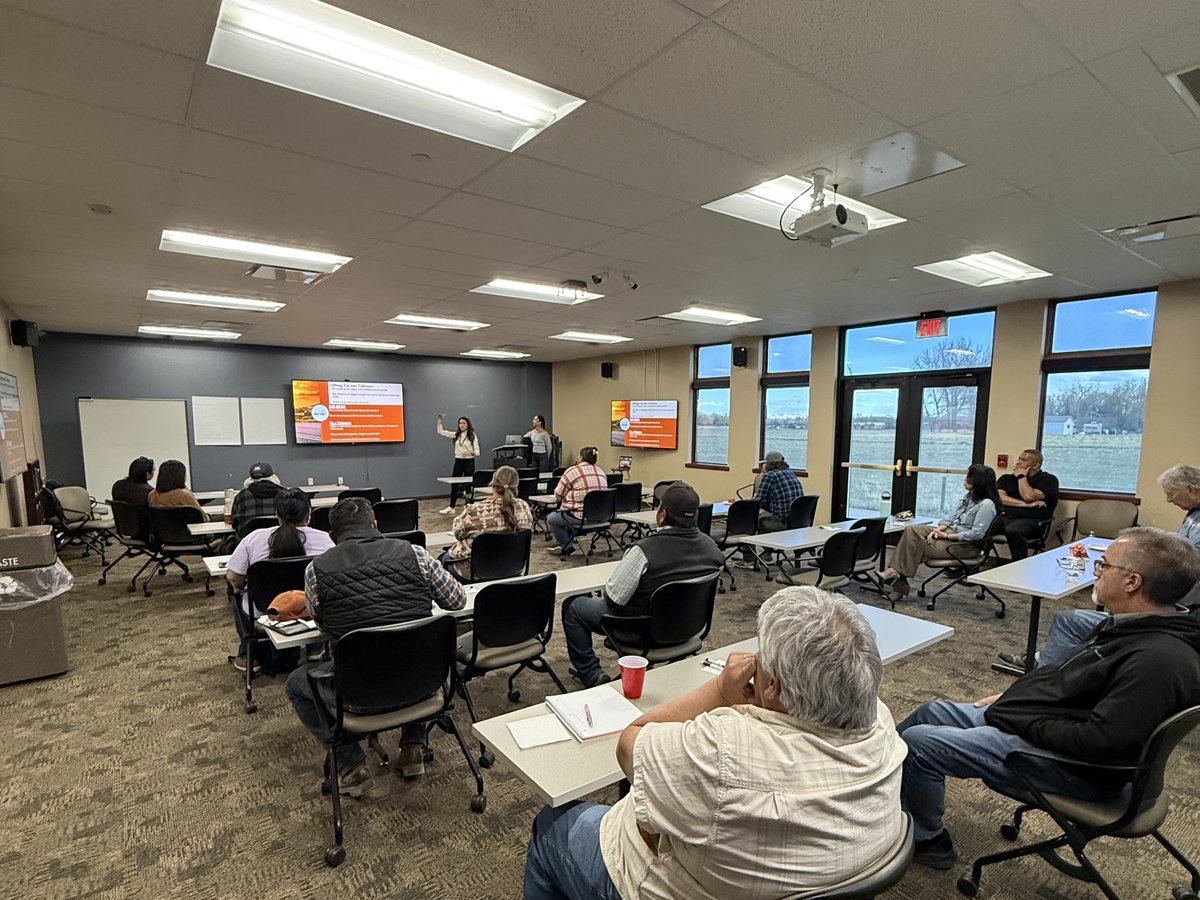
Our team, working with tribal partners


Tell us what your program needs
Use this form to request training or technical assistance from the Red Creek TTAC team. The more you tell us, the more we can bring to our initial call.
We started with one contract and a rule we still keep
Performance is judged by whether we found solutions that exceed the client’s needs and made the experience seamless. TTAC is that rule in the field.
Native American and woman-owned leadership shapes who we send, how we show up, and how we personalize the work. CEO Tyler Rush, an enrolled member of the Mvskoke (Creek) Nation, built this firm to strengthen the people and systems that serve Indian Country. TTAC is one of the ways we keep that promise.
RCSTTA@redcreeksolutions.comBring TTAC to your community
Tell us about your program and what you are trying to achieve. A member of the TTAC team will respond directly.